




Websites aren’t in danger of being displaced; they’re in danger of being undervalued and overlooked.
Yes, AI is changing the way customers discover and research companies online. Your referral traffic may be declining as a result.
Social media also continues to grow as an important digital channel, where audiences engage with comments and likes, and by resharing directly on third-party services.
Now there are platforms that streamline the process of creating newsletters, sending them to your list, and signing up new subscribers — all without hosting anything yourself.
You might feel ongoing pressure to launch or enhance a branded mobile app, experiment with virtual reality, or any of the other bright shiny objects that are entering the marketing mix.
Go ahead, but remember this: 97% of B2B buyers continue to check vendor websites before engaging, and among consumers, websites are the leading way for shoppers to stay updated on their favorite brands.
This doesn’t mean social media and other digital media channels aren’t worth your while. It’s not about putting AI on the back burner. But amid competing priorities for marketing dollars, a website is a non-negotiable centerpiece for any business serious about survival, control, and scalable success.
It’s time digital marketers had a manifesto that helps them articulate why websites matter, and why they always will. That’s what you’re reading right now.

How does a website compare with third-party and paid channels in terms of marketing effectiveness?
The effectiveness of the marketing channels you use depends on your goals, the way you measure them, and the timespan you’re looking at.
An urgent need to demonstrate results and marketing ROI could be leading brands to pay for quick-fix solutions. Gartner Inc. research shows paid digital channels now account for more than 61% of marketing spend, for instance, with paid digital leading the way at 60%.
That might make sense if you’re trying to drive a certain number of conversions in Q2, but ongoing growth and profitability are based on building strong brand awareness and long-term loyalty.
It’s harder to achieve those objectives with channels other than those you own. Social media may be where some customer journeys begin, but attention on those services is often fragmented, fleeting, and ultimately controlled by someone else’s rules and algorithms.
Similarly, newsletter platforms are growing in popularity by lowering the barrier to entry for independent creators and offering social media-style feeds to build community. You can be a voice within that ecosystem, but the ecosystem will become another form of walled garden, and you won’t always know if you’ll be heard.
Third-party platforms and channels also have a vested interest in keeping audiences where they are, rather than driving back to your website. AI search tools are only the most recent example of this, where serving up overviews and conversational-style responses to prompts and questions are creating zero-click search experiences.
What’s the best way to calculate website ROI?
The value of a website is based on how much it contributes to key areas such as leads, revenue, and customer retention, minus the total costs to operate, maintain, and enhance it. The majority of organizations see the value: owned media is one of the top three areas of B2B marketing investment in 2026, right after AI-powered marketing tools and events.
While it’s easy to get bogged down in the costs to host and develop a site, don’t forget that it represents one of the most flexible and adaptable marketing assets you’ll ever have. There’s more than four decades of history to prove it. For example, the bare-bones, brochure-like sites of the 90s quickly morphed as:
- Complex animations gave way to increased use of white space that aligned with brand voice and style guidelines in the 2000s, along with CSS that made sites easier to customize.
- Discovery was enhanced as search engine optimization (SEO) practices emerged and more sites incorporated responsive designs where page elements automatically adjust as mobile device use became prevalent in the late 2010s.
- Personalization finally became possible in the 2020s through AI as well as audience-specific targeting that leads to sections and pages designed with specific customer segments in mind.
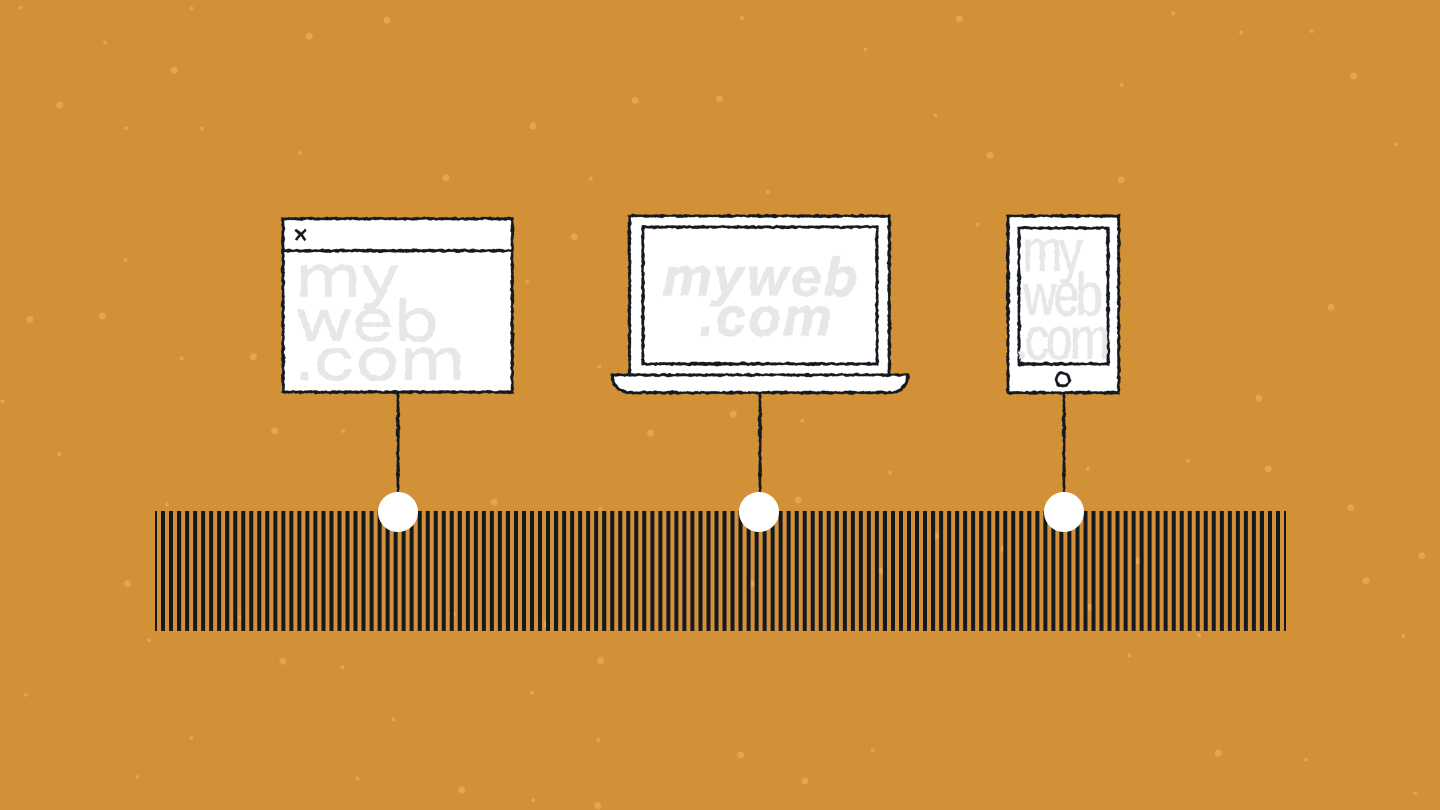
The website’s evolution from static pages to dynamic, media-rich environments isn’t just a product of better tools. It’s also the result of ongoing strides in user experience (UX) design, and an increased focus on customer centricity.
We’ve learned that a great website is not only visually appealing and simple to navigate. It delivers high performance even during unexpected traffic peaks, provides comprehensive quality content, and offers defense-in-depth security. It takes an open and intelligent approach, free from vendor lock-in and informed by data to continuously improve content and site performance.
In that sense, a website has become a fortress for full-funnel experiences. Whether through direct traffic, such as email and SMS, or referral traffic via search and social, a great website provides top-of-funnel (TOFU) content that helps audiences understand your business has what they want and need.
A great website also fosters strong bottom-of-funnel (BOFU) engagement when it hosts buyers’ guides, case studies, and connects audiences to a demo or a sales rep.
Content as intellectual property — own and protect your narrative
A social post can get deleted or be pushed down in your customer’s feed. An e-mail sent through a third-party newsletter platform can wind up in spam or “Promotions” folders. Only a website provides a permanent home to the ongoing story you’re telling about your brand values, the products and services you offer, your corporate culture, and your growth and success.
This content is your business’s core IP. It’s what helps you establish relationships with prospects, support customers buying and seeking support, and showcase the employee experience within your organization to attract top talent.
IP requires strong governance, security, and control. Websites not only provide all that, but have transformed from assets managed primarily by IT departments, developers, and “web admins.” With a CMS like WordPress VIP, even the largest sites have become a democratized hub accessible to many areas of the business:
- Marketers rely on a website to deepen and nurture customer relationships.
- Sales teams use the website to educate buyers and turn leads into paying customers.
- Support teams point customers to websites as resource-rich treasure troves of knowledge they can use to troubleshoot issues and enjoy self-service options.
And today, large language models (LLMs) are also looking at websites for the proprietary content that fuels AI search tools.
Where should websites sit within omnichannel marketing strategies?
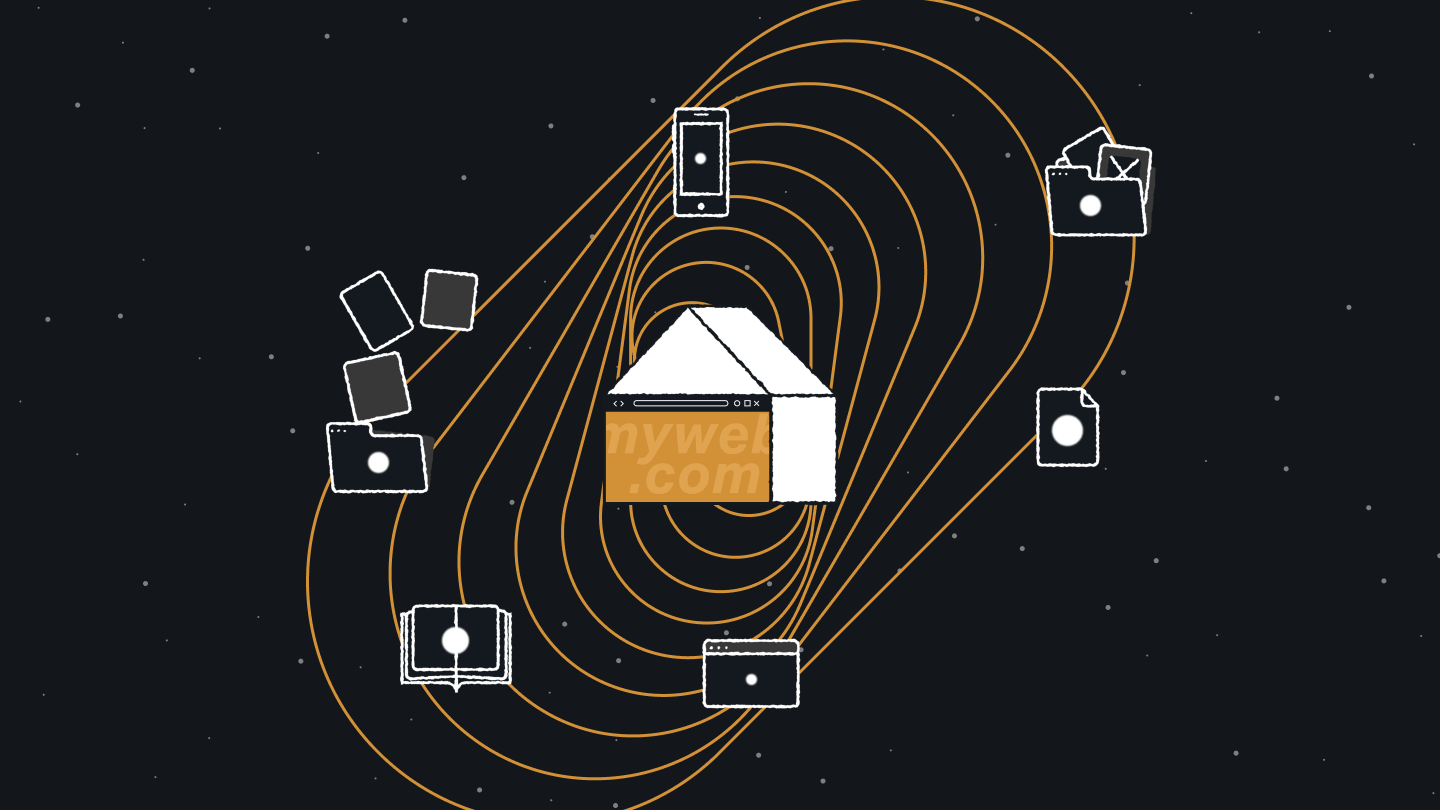
If the marketing mix were like a solar system, a brand’s website should be the sun. It’s the central source of truth based on the content that creates the authority behind search engine rankings, gets scraped by LLMs, and is consumed by your target audience.
According to Forrester, 79% of B2B buyers consider vendors they already know as one of their most trusted sources. Your website is the most powerful tool you possess to let customers get to know you and to build and maintain that trust.
Orbiting your website are channels like social media, which work well for discovery, buzz, and engagement. Driving that traffic back to your website will further goals like conversion. The same applies to videos hosted on YouTube, email, mobile apps, marketplace storefronts, and text messages.
As newer touchpoints like AI search and newsletter platforms enter the mix, the website should remain central. Why? Most of those other channels are notoriously difficult to track and measure. Analytics tools like Parse.ly have made it far easier to identify actionable insights from website and content performance data. This is also first-party data, which 87% of marketers are prioritizing.
How can marketers get more value from their website in 2026?
Amid shifting digital sands, the website remains the only steady state — an online headquarters you own, direct, and future-proof.
It’s not enough to just host a website, though. As you make plans for the year ahead, consider these action items:

1. Reevaluate your website’s role in digital experience
Sixty-four percent of marketers use brand consideration/awareness as a KPI for brand health. This is followed by more than half who track brand awareness and customer advocacy.
Brainstorm as a marketing team how your website could move the needle in these areas, while also lowering expenses like customer acquisition cost. From there, build out your omnichannel strategy to touchpoints where you have less control.

2. Align AI use cases with your website’s purpose
Generative AI is making it faster and easier to create and manage content, and the technology will only become more deeply embedded in CMSes like WordPress VIP over time. Start looking at where you can maximize the potential of generative AI to make more relevant content and personalized digital experiences.
Do the same with agentic AI, considering all the areas where autonomous agents could help site visitors find products and services, set and manage accounts, and solve their own customer service challenges. In both cases, take steps to enhance the AI-readiness of your site and your data.

3. Balance website investments based on both customer and employee benefits
Of course, you want a website that will serve your customers, but it should also enable your team to bring their best selves to work, regardless of their role.
Make a point of identifying and deploying capabilities that allow more people outside of IT and developers to collaborate on creating and managing content, improving UX, and analyzing performance. This will make your site as much of a common ground for employees as it is for audiences who use it to browse, buy, and seek support.
If you don’t have a website, you don’t exist. With a great website, you not only exist but thrive — not just today, but as digital channels and AI continue to change the way the web works.
Related content

Content Intelligence: AI-Powered Content as IP
Author

Shane Schick
Founder, 360 Magazine
Shane Schick is a longtime technology journalist serving business leaders ranging from CIOs and CMOs to CEOs. His work has appeared in Yahoo Finance, the Globe & Mail and many other publications. Shane is currently the founder of a customer experience design publication called 360 Magazine. He lives in Toronto.